
CPAP, BiPAP, and Other Sleep Apnea Treatment Options
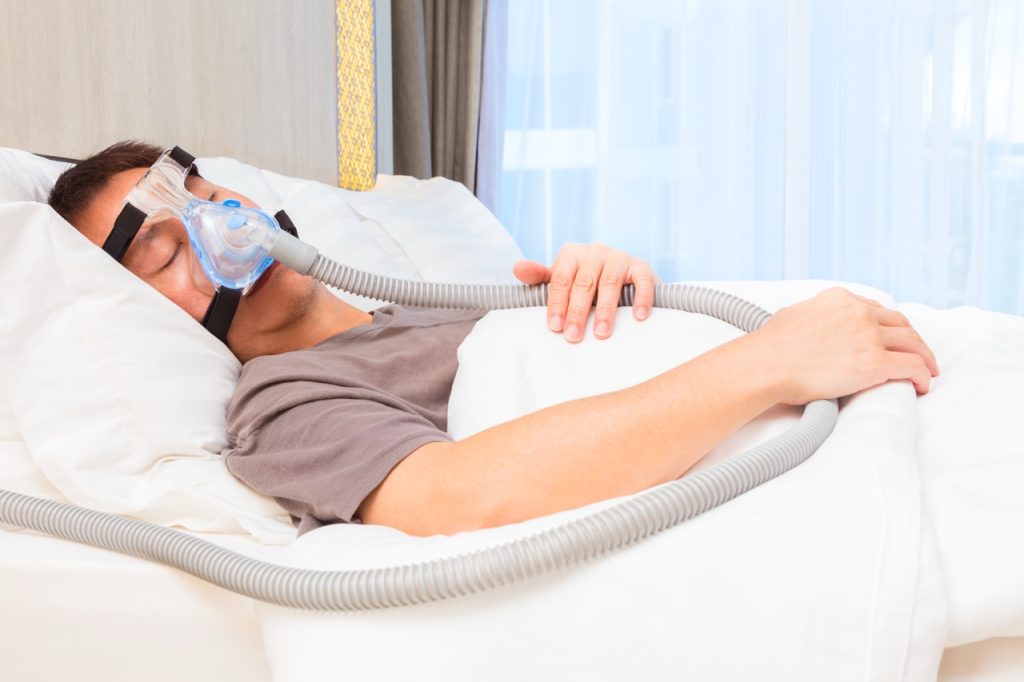
After a sleep apnea diagnosis, many patients have the same question: What treatment will I need?
The answer depends on the type and severity of sleep apnea, sleep study results, symptoms, medical history, and how well a patient tolerates different therapies.
Positive airway pressure is one of the most common treatment approaches, but several options may be considered.
What Is CPAP?
Continuous positive airway pressure, or CPAP, delivers a steady level of air pressure through a mask while you sleep.
The pressure helps keep the upper airway open so breathing is less likely to pause. CPAP may help reduce snoring, improve sleep quality, and decrease daytime sleepiness when used consistently.
Masks are available in several styles, including:
- Nasal pillows
- Nasal masks
- Full-face masks
Finding the right mask fit is important for comfort and treatment success.
How Is BiPAP Different?
Bilevel positive airway pressure, commonly called BiPAP or BPAP, provides two pressure levels:
- A higher pressure when inhaling
- A lower pressure when exhaling
A provider may consider bilevel therapy when a patient needs higher pressure support, has difficulty tolerating constant pressure, or has certain respiratory or neuromuscular conditions.
BiPAP is not automatically better than CPAP. The right device depends on the individual patient.
What Is APAP?
Auto-adjusting positive airway pressure, or APAP, changes the pressure level throughout the night based on detected breathing patterns.
Some patients appreciate the flexibility of changing pressure, while others do better with a fixed CPAP setting. Sleep specialists use diagnostic information and follow-up data to determine which option is appropriate.
Oral Appliances
A custom oral appliance may be recommended for some patients with obstructive sleep apnea, particularly when the condition is mild to moderate or CPAP is not tolerated.
These devices are designed to reposition the lower jaw or tongue to help maintain an open airway. They should be fitted and monitored by qualified dental and sleep professionals.
Lifestyle and Positional Strategies
Depending on the patient, treatment may also include:
- Weight management
- Regular physical activity
- Avoiding alcohol near bedtime
- Reviewing sedating medications
- Treating nasal congestion
- Sleeping on the side rather than the back
- Establishing a consistent sleep schedule
Lifestyle changes may improve symptoms, but they should not replace prescribed therapy without medical guidance.
Surgical and Other Treatment Options
Surgery may be considered when airway anatomy contributes to obstruction or when other therapies have not been successful.
Additional options may include specialized implantable devices or treatment of enlarged tonsils, nasal obstruction, or jaw structure. Suitability depends on a detailed medical evaluation.
Follow-Up Is Part of Treatment
Sleep apnea treatment often requires adjustment. Contact your care team if you experience:
- Mask leakage
- Dry mouth
- Nasal irritation
- Pressure discomfort
- Trouble falling asleep with the device
- Continued snoring or fatigue
Small changes to mask style, humidification, pressure, or comfort settings can make therapy easier to use.
Pulmonary & Medicine Associates provides sleep medicine care and sleep testing through polysomnography. Dr. Imad Obeid also specializes in sleep disorder management, including CPAP, BiPAP, and non-invasive ventilation therapies.
Explore Sleep Apnea Treatment in Warren, MI
There is no single treatment that works best for every patient. The goal is to find an effective option that you can use consistently.
Call Pulmonary & Medicine Associates at (586) 751-8844 or request an appointment to discuss sleep apnea testing or treatment.

