
Snoring vs. Sleep Apnea: How Can You Tell the Difference?
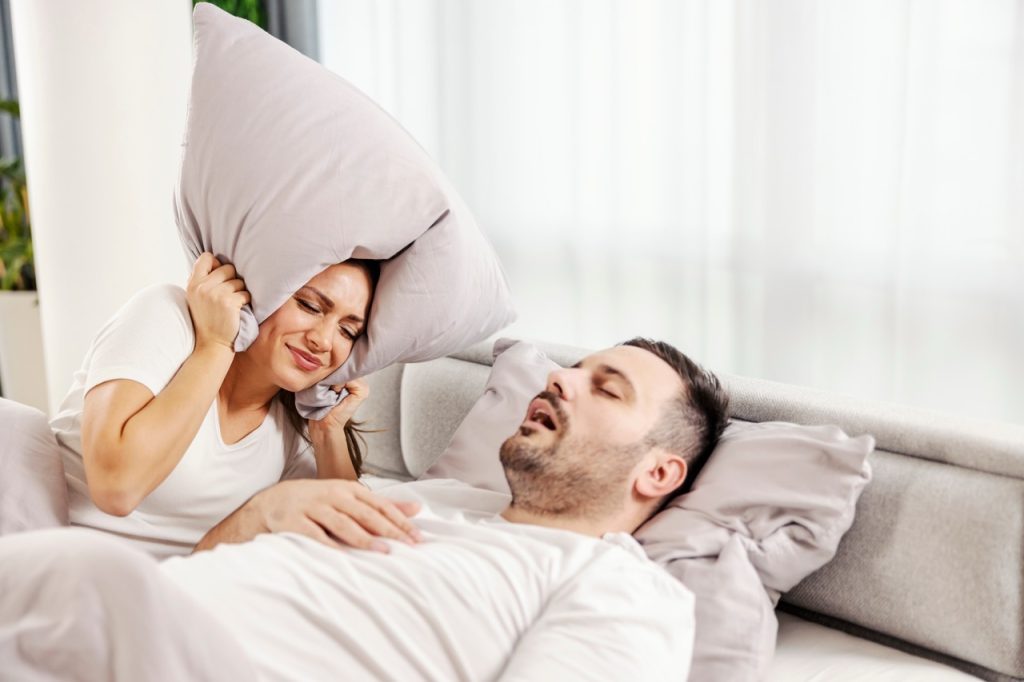
Snoring is common, but it is not always harmless. For some people, snoring is simply the sound of air moving through relaxed tissues in the throat. For others, it may be associated with obstructive sleep apnea, a condition that repeatedly interrupts breathing during sleep.
Because a sleeping person may not notice these interruptions, a bed partner is often the first person to recognize the warning signs.
What Causes Ordinary Snoring?
Snoring occurs when airflow causes tissues in the nose, mouth, or throat to vibrate. It may become more noticeable when someone:
- Sleeps on their back
- Has nasal congestion
- Drinks alcohol before bed
- Is sleep deprived
- Has anatomy that narrows the airway
- Has gained weight
Occasional snoring without other symptoms does not always indicate a sleep disorder.
What Is Obstructive Sleep Apnea?
Obstructive sleep apnea occurs when the upper airway repeatedly narrows or closes during sleep. Breathing may slow or temporarily stop, causing oxygen levels to change and the brain to briefly wake the body so breathing can restart.
These awakenings may happen many times without the person remembering them. As a result, someone may spend enough hours in bed but still wake feeling exhausted.
Signs Snoring May Be Related to Sleep Apnea
Snoring deserves attention when it occurs with symptoms such as:
- Pauses in breathing
- Gasping, choking, or snorting during sleep
- Loud, persistent snoring
- Morning headaches
- Dry mouth upon waking
- Daytime sleepiness
- Difficulty concentrating
- Irritability or mood changes
- Waking frequently during the night
Sleep apnea symptoms can vary. Some patients report fatigue, insomnia, or mood changes rather than obvious daytime sleepiness.
Can You Diagnose Sleep Apnea From Snoring Alone?
No. Snoring can raise suspicion, but it cannot confirm sleep apnea.
A sleep evaluation may include a review of symptoms, medical history, airway anatomy, medications, and risk factors. Your provider may recommend a sleep study to monitor breathing, oxygen levels, heart rate, sleep stages, and other body functions.
Pulmonary & Medicine Associates offers sleep medicine services and polysomnography for patients with possible sleep disorders.
Why Evaluation Matters
Untreated sleep apnea can interfere with restorative sleep and may contribute to problems with energy, concentration, mood, and cardiovascular health.
It can also affect driving and workplace safety when daytime drowsiness becomes severe.
Seeking an evaluation is especially important if snoring is accompanied by witnessed pauses in breathing or repeated gasping episodes.
What Can You Do Before Your Appointment?
Ask a partner or family member what they observe while you sleep. Consider keeping notes about:
- Snoring frequency
- Gasping or breathing pauses
- Morning symptoms
- Daytime fatigue
- Sleep schedule
- Alcohol use
- Recent weight changes
Some patients also find that a brief audio or video recording of nighttime symptoms helps them describe what is happening. This should not replace a medical evaluation or sleep study.
Schedule a Sleep Evaluation in Warren, MI
Snoring does not always mean sleep apnea, but loud snoring with breathing interruptions, gasping, or daytime fatigue should not be ignored.
The sleep medicine team at Pulmonary & Medicine Associates provides evaluations and personalized care for sleep-related concerns.
Call (586) 751-8844 or schedule an appointment to discuss your symptoms.

