
Breathing Changes to Watch for After a Respiratory Illness
Recovering from a respiratory illness can take longer than many people expect. Even after the main symptoms have improved, some people still notice changes in their breathing that do not feel normal. A lingering cough, chest tightness, shortness of breath, or lower stamina may continue for days or even weeks after an illness appears to be over.
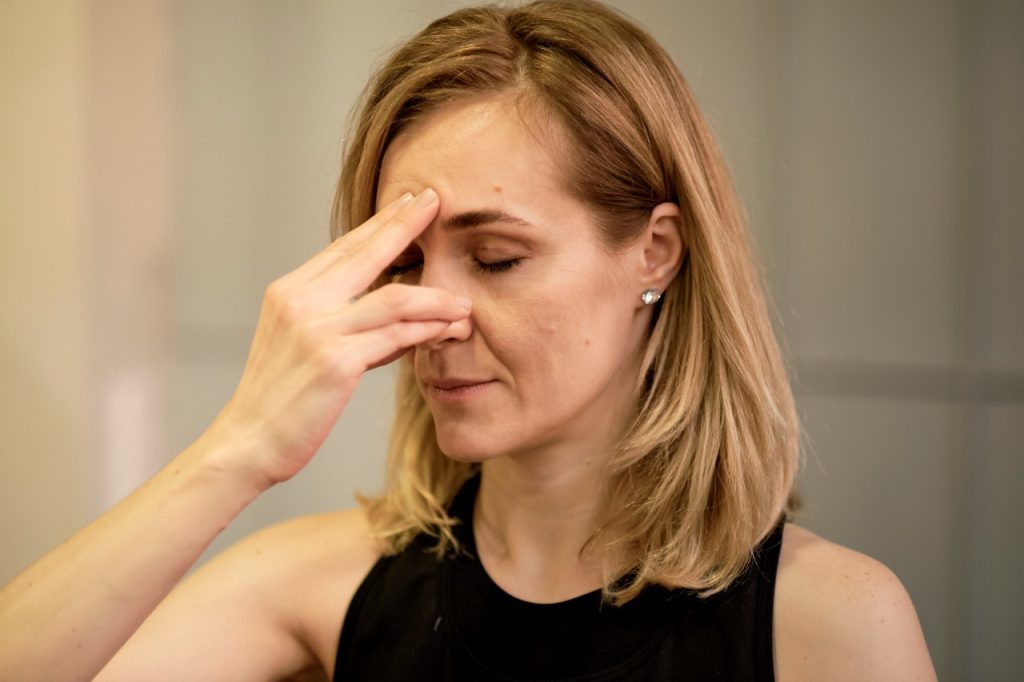
While mild symptoms can sometimes be part of the recovery process, ongoing breathing changes should not be ignored. Paying attention to what your body is telling you can help you decide when it is time to seek further care.
Why Breathing May Still Feel Off After Illness
Respiratory illnesses can leave the airways irritated and sensitive even after the infection itself has improved. Inflammation may linger, making it harder to breathe comfortably or return to your usual activity level right away. Some people notice that cold air, exercise, or allergens seem to trigger symptoms more easily than before.
This is one reason why breathing issues after an illness can sometimes feel frustrating. You may expect to be back to normal, but your lungs and airways may still need more time or a closer evaluation.
A Cough That Does Not Fully Go Away
A lingering cough is one of the most common breathing changes people notice after a respiratory illness. It may improve gradually, but if it sticks around, disrupts sleep, or continues to interfere with your day, it may be time to get checked.
A cough that does not resolve can sometimes point to lingering airway irritation, asthma symptoms, or another underlying issue that developed or worsened during the illness.
Shortness of Breath with Everyday Activity
You should also pay attention to shortness of breath that continues after recovery. If walking across the house, climbing stairs, or doing routine activities feels harder than it did before you were sick, that matters.
Sometimes shortness of breath improves slowly. However, when it persists or becomes more noticeable over time, it may be a sign that your lungs need further evaluation. This is especially important if the symptom is new or clearly different from your normal breathing pattern.
Chest Tightness and Wheezing
Chest tightness can feel like pressure, heaviness, or difficulty taking a deep breath. Wheezing may sound like a whistling noise when you breathe. Both symptoms may happen after a respiratory illness if the airways remain irritated or narrowed.
These symptoms should be taken seriously if they keep coming back, worsen with activity, or begin interfering with sleep or daily life. In some cases, they may be related to asthma, inflammation, or another breathing condition that deserves medical attention.
Lower Energy and Reduced Stamina
Some fatigue is expected after being sick, but a noticeable drop in stamina that does not improve may be tied to breathing changes. If you feel unusually winded or exhausted doing things that were previously manageable, do not assume it is something you simply have to wait out.
Changes in endurance can sometimes be an important clue that your body is still struggling to recover fully.
When to Schedule a Pulmonary Evaluation
It is a good idea to schedule an evaluation if breathing symptoms last longer than expected, keep returning, or seem to be getting worse. A pulmonary evaluation can help determine whether symptoms are part of normal recovery or a sign of something that needs more focused care.
This may be especially important if you are experiencing:
- A cough that continues for weeks
- Ongoing shortness of breath
- Chest tightness or wheezing
- Reduced tolerance for activity
- Breathing that feels different from your normal baseline
Taking the Next Step Toward Recovery
Ongoing breathing changes after a respiratory illness do not always mean something serious, but they are worth paying attention to. Getting answers can help you recover more confidently and avoid letting symptoms go unchecked for too long.
At Pulmonary & Medicine Associates, we help patients evaluate breathing concerns that continue after illness and determine the right next steps for care. You can also learn more by visiting our related pages on shortness of breath, chronic cough, and pulmonary care services.
If your breathing still does not feel right after a respiratory illness, scheduling an evaluation may be an important step toward feeling better.

