
COPD Care in 2026: Managing Symptoms and Preventing Flare-Ups
COPD Care in 2026: Managing Symptoms and Preventing Flare-Ups is a question worth exploring with reliable information and a personalized medical evaluation. For people in Warren and surrounding Metro Detroit communities, understanding symptoms, testing and care options can help make the next appointment more productive. The important starting point is to identify the concern rather than assume that one cause or treatment applies to everyone.
The Goals of COPD Treatment
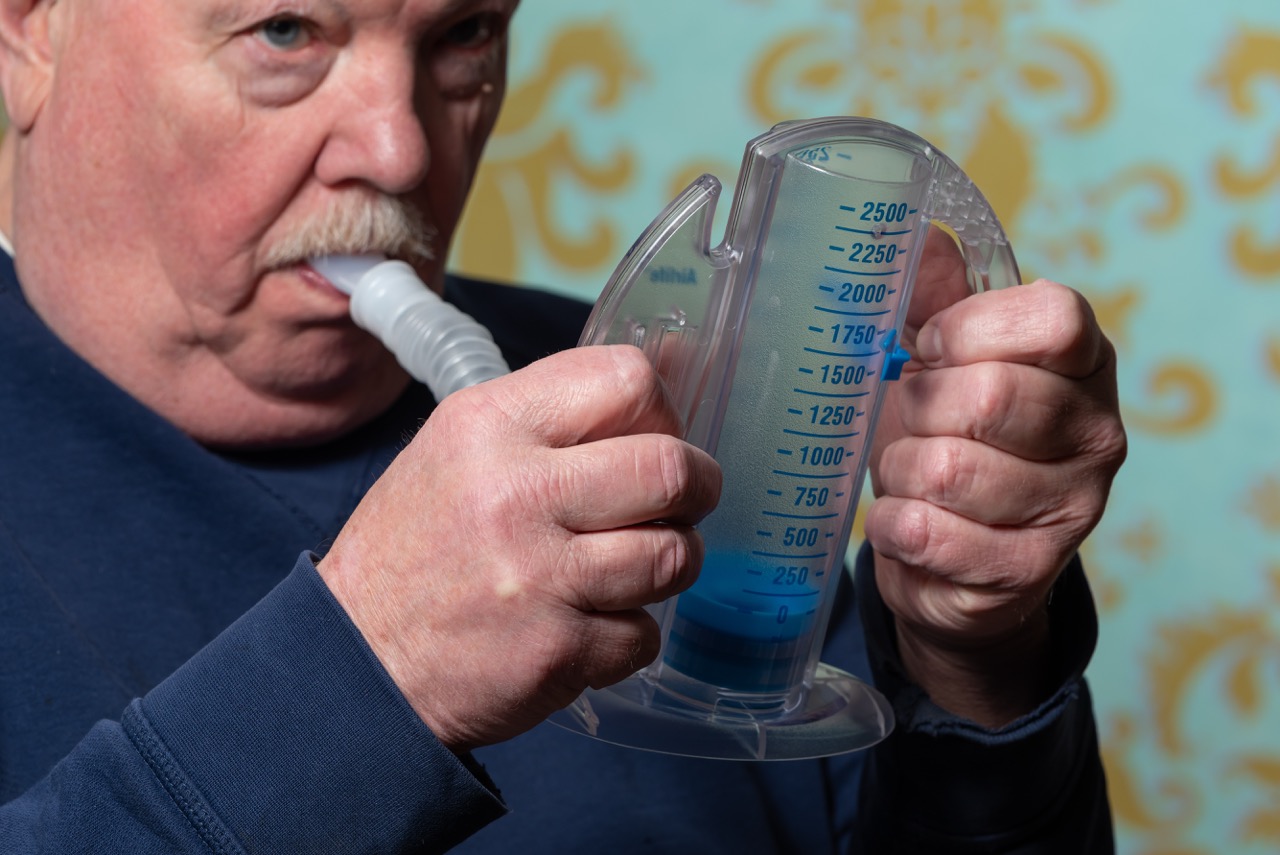
COPD treatment aims to reduce symptoms, prevent flare-ups and support daily functioning. Plans may combine inhaled medicines, smoking cessation support, recommended vaccines, activity strategies and monitoring. Treatment depends on symptoms, exacerbation history and other conditions. A plan that worked years ago may need review as needs change.
Review Your Inhalers
Inhaled bronchodilators are central to many COPD treatment plans. Some patients need a combination of long-acting medicines, while inhaled corticosteroids are appropriate for certain patients rather than everyone. Correct device use matters as much as the prescription. Bring inhalers to visits so technique and adherence can be checked.
A follow-up plan is important even if the first evaluation is reassuring. Clarify whether symptoms should be monitored, what improvement to expect, and when you should return. For sudden severe shortness of breath, new chest pain or pressure, fainting, or blue lips, seek emergency care rather than waiting for a routine office appointment.
Recognizing a Flare-Up
An exacerbation may cause increased breathlessness, cough or a change in sputum. Patients should know whom to call, which steps are part of their written action plan and when symptoms require urgent care. Severe breathing trouble, confusion or blue lips are emergencies. Acting promptly can help patients obtain appropriate assessment.
Beyond Medication
Pulmonary rehabilitation can combine supervised exercise, education and breathing strategies for selected patients. Physical activity suited to your abilities, avoiding smoke and exposure triggers, and nutritional support can also be discussed. Oxygen is prescribed for specific documented needs, not simply because a person feels winded.
Patients often benefit from writing down when a symptom appears, how long it lasts and what makes it better or worse. Bring a medication list, including inhalers, supplements and over-the-counter products. Mention smoking or vaping, work exposures and recent respiratory illnesses when relevant. These details may change the next step in your evaluation.
A Useful Follow-Up Visit
Ask whether your current inhalers are still the best fit, how to reduce exacerbation risks and whether testing is needed. Discuss vaccines recommended for your age and health conditions with your clinician. Regular review gives you a clearer view of what is improving, what is worsening and how to respond.
Talk With a Pulmonary Care Team in Warren
The team at Pulmonary & Medicine Associates PLLC can discuss your concerns and determine which steps may be appropriate. Learn more about Asthma and COPD Care or explore pulmonary medicine services. You can also review patient resources before your appointment.
To schedule a visit in Warren, Michigan, call (586) 751-8844. This article provides general education, not a diagnosis or individualized treatment advice.

