
Spirometry Results Explained: FEV1, FVC and What They Mean
Spirometry Results Explained: FEV1, FVC and What They Mean is a question worth exploring with reliable information and a personalized medical evaluation. For people in Warren and surrounding Metro Detroit communities, understanding symptoms, testing and care options can help make the next appointment more productive. The important starting point is to identify the concern rather than assume that one cause or treatment applies to everyone.
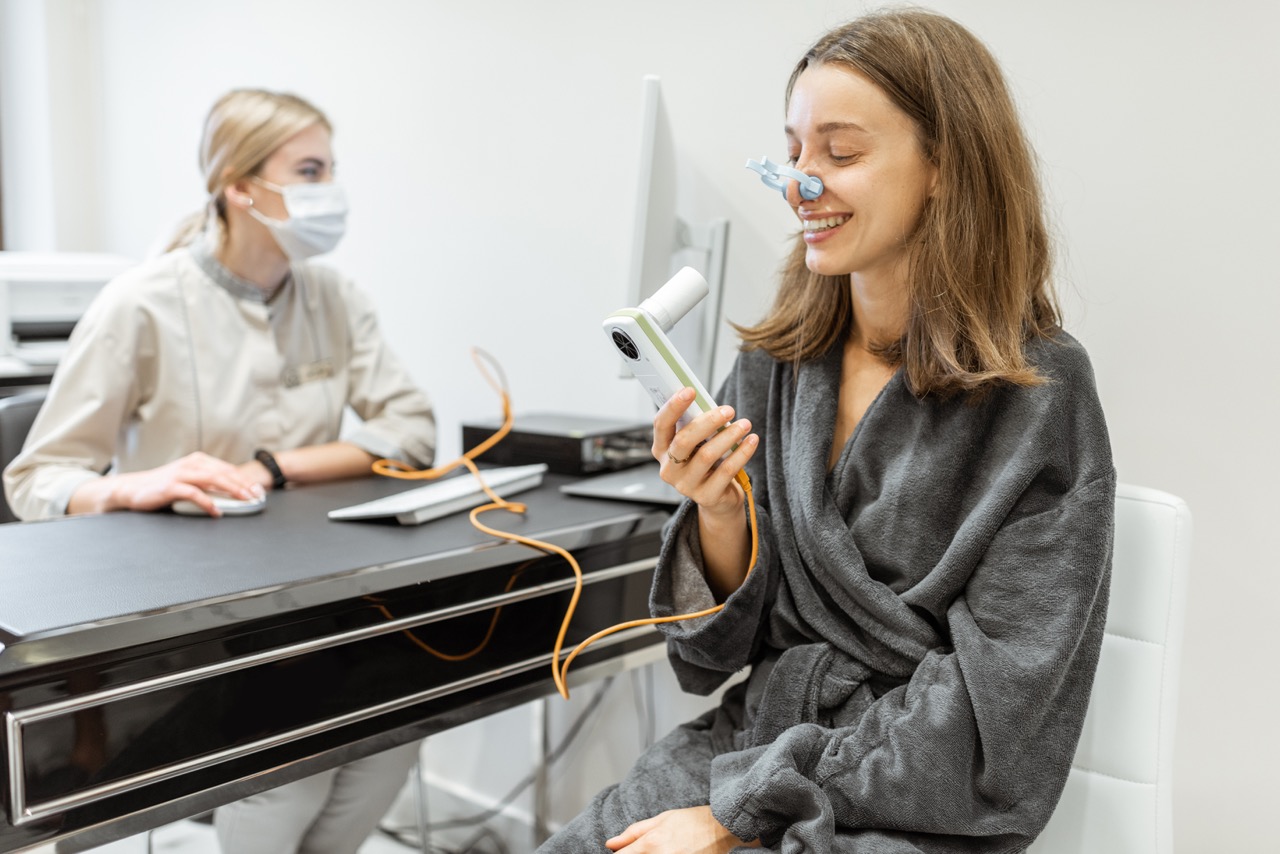
What Spirometry Measures
Spirometry is a breathing test used to evaluate how quickly and how much air a person can exhale after a full breath. It helps clinicians investigate asthma, COPD and other causes of respiratory symptoms. Results are interpreted with your history, examination and sometimes additional tests rather than serving as a diagnosis on their own.
Understanding FEV1 and FVC
FEV1 is the volume exhaled in the first second of a forceful breath. FVC is the total volume exhaled during that maneuver. The ratio of FEV1 to FVC helps identify patterns of airflow obstruction. Interpretation uses reference values and lower limits of normal, which account for relevant characteristics, alongside the quality of the test.
Patients often benefit from writing down when a symptom appears, how long it lasts and what makes it better or worse. Bring a medication list, including inhalers, supplements and over-the-counter products. Mention smoking or vaping, work exposures and recent respiratory illnesses when relevant. These details may change the next step in your evaluation.
What Happens After a Bronchodilator
Sometimes testing is repeated after an inhaled medicine that opens the airways. The change can help characterize airflow responsiveness. A bronchodilator response supports clinical reasoning but does not independently prove or rule out asthma. Likewise, a normal study does not explain away persistent symptoms when further assessment is warranted.
Why Test Quality Matters
Spirometry requires strong effort and clear instructions. Coughing into the mouthpiece, a poor seal or stopping too early can affect readings. The technician may request several attempts to produce repeatable measurements. Ask your clinician whether the reported values met quality standards and how confident the interpretation is.
A follow-up plan is important even if the first evaluation is reassuring. Clarify whether symptoms should be monitored, what improvement to expect, and when you should return. For sudden severe shortness of breath, new chest pain or pressure, fainting, or blue lips, seek emergency care rather than waiting for a routine office appointment.
Questions to Ask About Your Report
Ask whether the results suggest obstruction, whether further lung-volume or diffusion testing is needed, and how measurements relate to your symptoms. If the test is being used for monitoring, comparing results over time may be valuable. Your care plan should address both the numbers and how you are functioning day to day.
Talk With a Pulmonary Care Team in Warren
The team at Pulmonary & Medicine Associates PLLC can discuss your concerns and determine which steps may be appropriate. Learn more about Pulmonary Function Testing or explore pulmonary medicine services. You can also review patient resources before your appointment.
To schedule a visit in Warren, Michigan, call (586) 751-8844. This article provides general education, not a diagnosis or individualized treatment advice.

