
How Sleep Apnea Affects Heart and Lung Health
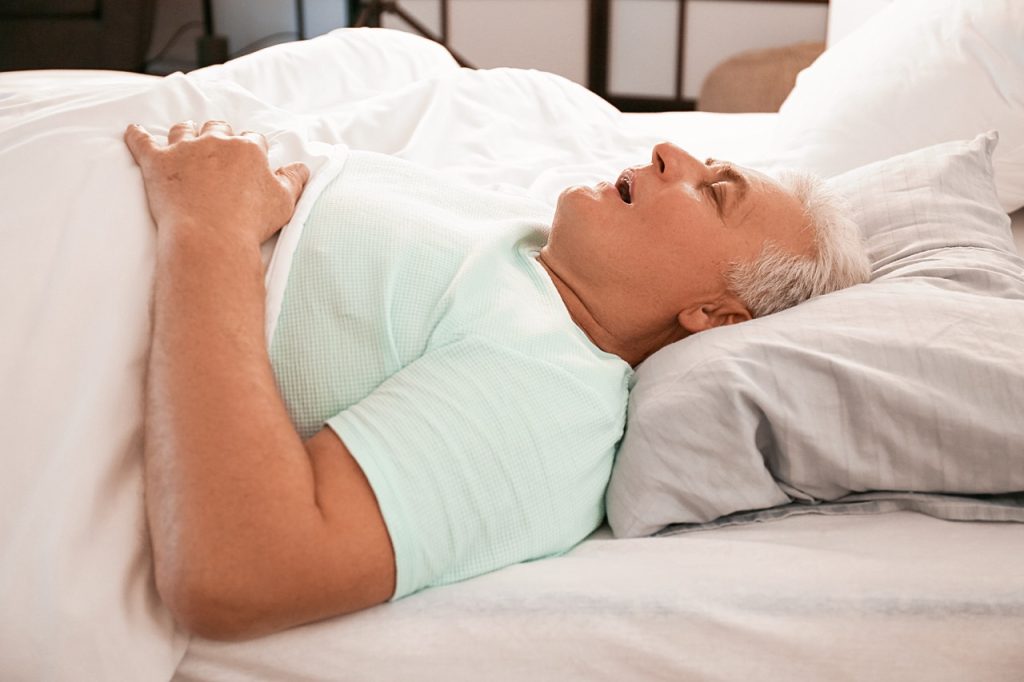
What Is Sleep Apnea?
Sleep apnea is a sleep-related breathing disorder where airflow repeatedly stops and starts during sleep. These pauses in breathing can last several seconds and may occur dozens of times per hour. The most common type is obstructive sleep apnea, caused by airway collapse during sleep. Many people with sleep apnea are unaware they have it, but the effects on overall health can be significant.
How Sleep Apnea Impacts the Heart
Each time breathing stops, oxygen levels in the blood drop. This triggers stress responses in the body, causing spikes in blood pressure and heart rate. Over time, these repeated events place strain on the cardiovascular system.
Untreated sleep apnea is strongly linked to high blood pressure, irregular heart rhythms, coronary artery disease, heart attacks, and stroke. It can also worsen heart failure by forcing the heart to work harder overnight when it should be resting.
Effects on Lung Health
Sleep apnea also affects lung function and breathing efficiency. Repeated airway obstruction leads to poor oxygen exchange, causing chronic low oxygen levels. This can worsen existing lung conditions such as COPD, asthma, and pulmonary hypertension.
Patients may wake up feeling short of breath, fatigued, or unrested despite a full night of sleep. Over time, poor sleep quality contributes to decreased lung stamina and reduced quality of life.
The Connection Between Heart and Lung Stress
The heart and lungs work together to deliver oxygen throughout the body. Sleep apnea disrupts this balance. Low oxygen levels increase pressure in the blood vessels of the lungs, which can lead to pulmonary hypertension. This condition forces the right side of the heart to pump harder, increasing the risk of long-term heart damage.
Common Symptoms to Watch For
Sleep apnea symptoms are often subtle but should not be ignored. Common signs include loud snoring, gasping or choking during sleep, excessive daytime sleepiness, morning headaches, difficulty concentrating, and waking up with a dry mouth.
If you have heart disease, high blood pressure, or chronic lung conditions, recognizing these symptoms is especially important.
Diagnosis and Treatment Options
Sleep apnea is typically diagnosed through a sleep study, either in a sleep lab or at home. Treatment depends on severity but often includes CPAP therapy, which keeps the airway open during sleep.
Other options may include oral appliances, weight management, positional therapy, or addressing nasal and airway issues. Treating sleep apnea can significantly improve heart and lung health while improving sleep quality and energy levels.
When to Seek Medical Care
If you experience persistent fatigue, snoring, or breathing interruptions during sleep, talk with your healthcare provider. Early diagnosis and treatment can help protect both your heart and lungs while improving your overall well-being.

