
Environmental Triggers That Worsen Lung Conditions
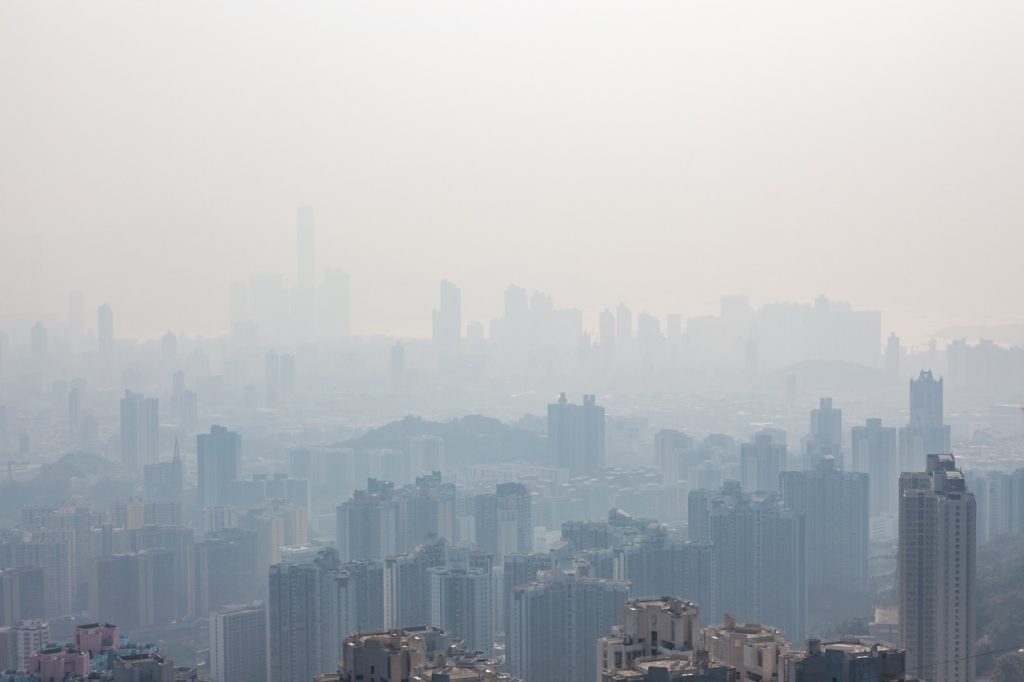
For individuals living with asthma, COPD, or other chronic lung diseases, everyday environmental factors can significantly impact breathing. Even healthy people may experience respiratory irritation when exposed to certain triggers. Understanding these environmental factors and how they affect lung health can help reduce symptoms and improve quality of life.
Common Environmental Triggers
Environmental triggers vary widely, but several are known to worsen lung conditions.
- Air Pollution
Urban pollution, vehicle emissions, and industrial smoke all contribute to declining air quality. Pollutants can inflame airways and reduce lung function, especially in those with chronic respiratory diseases. - Pollen and Allergens
Seasonal allergies often overlap with asthma. High pollen counts can trigger coughing, wheezing, and shortness of breath. - Humidity and Weather Changes
Weather can have a direct impact on breathing. Cold air can constrict airways, while high humidity can make the air feel heavy, making it harder for people with COPD or asthma to breathe comfortably. - Indoor Air Quality
Dust mites, mold, cleaning chemicals, and pet dander can accumulate indoors, triggering or worsening respiratory symptoms. - Smoke Exposure
Both tobacco smoke and wildfire smoke pose significant risks. Even brief exposure to smoke can aggravate asthma or COPD and increase the risk of flare-ups.
How to Reduce Exposure
Many triggers can be managed by making a few changes at home and in daily routines:
- Use an air purifier with a HEPA filter.
- Keep indoor spaces clean and dust-free.
- Check pollen and air quality levels before outdoor activities.
- Reduce exposure to chemicals, sprays, and strong fragrances.
- Avoid smoking and secondhand smoke at all costs.
Working With a Pulmonologist
Patients with chronic lung diseases should discuss environmental triggers with their pulmonologist. Understanding your personal triggers helps create better care plans and improves long-term outcomes.
Final Thoughts
While you cannot control all environmental triggers, awareness and prevention go a long way. By taking proactive steps and staying informed, individuals can significantly reduce symptoms and protect their lung health.

